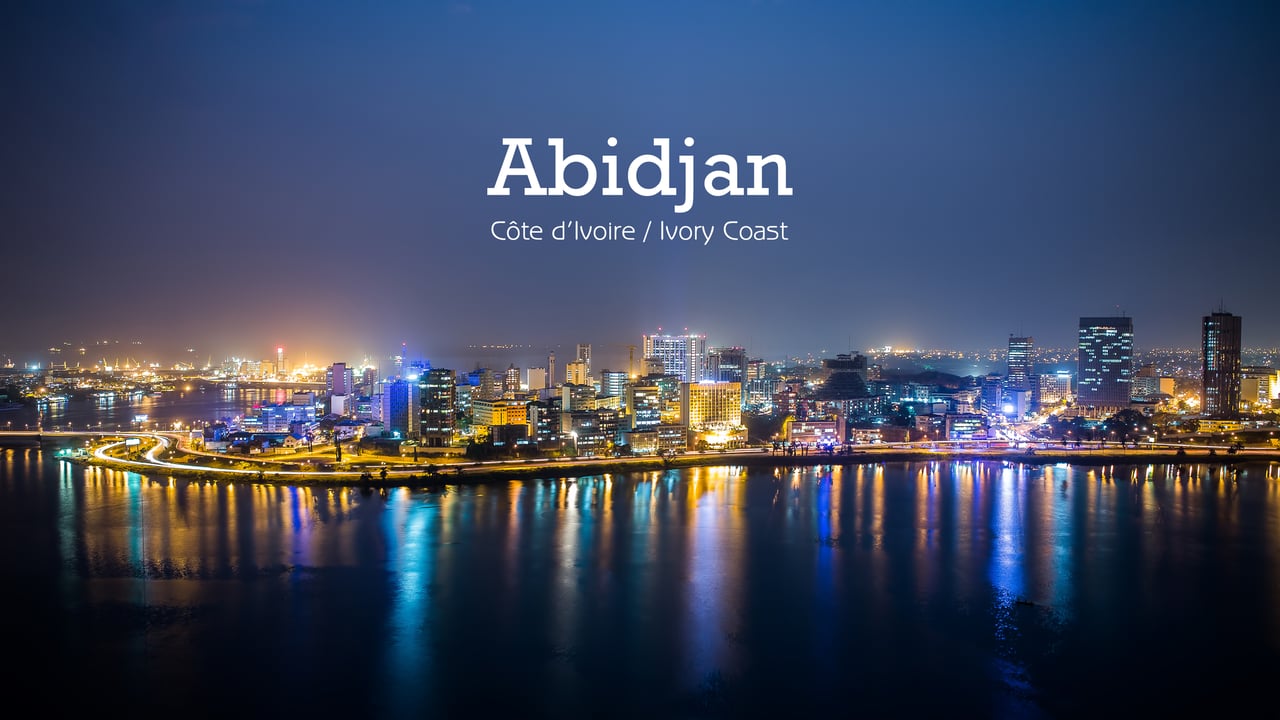
Ivory Coast: A GATEWAY TO WEST AFRICA
Opening and running a new business in Ivory Coast implies the choice of a suitable legal structure and the knowledge of the existing business taxes to comply with. You will have to choose between several legal structures in Ivory Coast depending on your needs:
- General partnerships (sociétés en nom collectif)
- Limited liability partnerships (sociétés en commandite simple)
- Private limited companies (sociétés à responsabilité limitée, SARL)
- Public limited companies (sociétés anonymes, SA)
- Simplified public limited companies (sociétés par actions simplifiées, SAS)
Each legal structure has its own benefits and drawbacks.Make sure you have a clear vision of your project before making your choice.
What about the tax environment for businesses?
– Corporation tax (Normal or simplified) : 25% for enterprises liable to income tax in the category of business profits (bénéfices industriels et commerciaux, BIC) and 20% for enterprises liable to income tax in the category of non-commercial profits (bénéfices non commerciaux, BNC)
– The single combined tax represents a percentage of your annual turnover. This tax regime is only for entities with a projected turnover below 50 million CFA (approximately 75.000 euros) if they are selling goods and below 25 million CFA (approximately 32.000 euros) if they are selling services. The single combined tax replaces all taxes usually supported by corporate entities including the VAT ( It is paid monthly and ranges from 4.1% to 8.7% of your annual turnover.
Note that Ivory Coast has its own Free Zone for companies in the biotech, ITt, and telcos industries located in Grand-Bassam (a few kilometers from Abidjan and the Port). Furthermore depending on your projected activity, your new entity can benefit from reduced corporate tax (down to 0%), local taxes and social security contributions during 7 to 15 years.
Ready to set up a business? Here are the steps to follow :
1 – Choisir votre structure juridique
Définissez votre stratégie pour choisir au mieux la forme juridique de votre entreprise.
2 – Trouver votre adresse commerciale
Il peut s’agir d’une simple adresse de domiciliation ou d’un bureau à partir duquel vous mènerez vos activités. Contactez-nous pour trouver votre premier bureau en Côte d’Ivoire
3 – Réunir tous les documents administratifs
La procédure est simplifiée, elle n’en est pas moins pointilleuse: Acte de naissance, contrat de bail, autorisation d’exercer etc…
4 – Ouvrir un compte en banque
Le capital initial de la société en création doit etre déposé dans une banque afin qu’elle soit enregistrée.
5 – Rédiger les actes de société
Statuts, Déclaration de souscription et de versement du capital, Liste des associés/actionnaires etc…
6 – Déposer le dossier d’enregistrement
Les dossier sont réceptionnés le matin uniquement. Si tout est en ordre la société sera créée en 24h.
7 – Retirer les documents officiels de la société
Extrait du registre du commerce et des société, Code importateur, Numéro de compte contribuable et déclaration fiscale d’existence, Numéro d’employeur, Copies validées et enregistrées du contrat de bail, des statuts et autres documents administratifs.
8 – Enregistrer la société au service des impôts
Une fois créée, votre société doit etre enregistrée auprès du service des impôts dont elle dépend. Attention cette formalité doit etre effectuée dans les jours qui suivent la création sous peine de pénalités.
9 – Commander les factures normalisées
En Côte d’Ivoire l’utilisation de factures normalisées est obligatoire. Seuls les imprimeurs agréés peuvent les imprimer. Comptez environ 3 semaines pour recevoir votre commande.
Prêt!
Vous pouvez commencer à opérer.
Willing to start? Discover our company registration packages to save time and money. Start here